
Attuning to Summer
Attuning to Summer
A Yoga Therapy Perspective on Heat, Dryness & Seasonal Wellbeing
Summer invites us into the world. The days are longer, the mornings brighter, and there is a natural tendency to move more, travel, spend time outdoors, and connect with others. It is a season of expansion and expression. Yet beneath its lightness lies a simple truth: every season asks something different of the body.
In Eastern philosophies and natural health systems such as Ayurveda and Traditional Chinese Medicine, summer is understood through the qualities of heat, light and activity. Rather than viewing these qualities as good or bad, they are simply part of nature's rhythm. The invitation is not to resist them, but to adapt our lifestyle so that we remain in relationship with the season rather than depleted by it.
This is also one of the beautiful teachings of yoga. We are constantly in conversation with our environment. The breath changes with the weather, the nervous system responds to longer days and increased stimulation, our digestion shifts, our sleep patterns evolve, and even our emotional landscape can become more expansive—or more reactive—depending on how well we care for ourselves.
Understanding Heat Through the Body
Heat is more than temperature. From a yoga therapy perspective, we often notice excess heat showing up as inflammation, headaches, digestive discomfort, skin sensitivity, restless sleep, irritability, or a feeling of being "wired but tired." The nervous system can become more activated after long days, constant social engagement, frequent travel, or simply spending too much time in the sun.
Dryness often accompanies this picture. We may notice dry skin, dry eyes, dehydration, constipation, increased muscular tension, or simply a sense that we have been giving more energy than we have replenished.
Rather than seeing these as isolated symptoms, they can be understood as messages from the body asking for more nourishment, more recovery, and a little less intensity.
Seasonal Eating: Supporting Rather Than Controlling
Nature has a remarkable way of providing exactly what we need. Summer markets overflow with foods that naturally contain more water, minerals, and vibrant colour. Cucumbers, courgettes, leafy greens, tomatoes, fresh herbs, berries, peaches, watermelon, pears, cherries and grapes all help replenish fluids while offering nutrients that support recovery from heat.
Meals naturally become lighter. Large, heavy dinners often feel less appealing, while colourful salads, nourishing grain bowls, fresh soups, seasonal vegetables, and simply prepared fish or legumes tend to digest with greater ease.
Hydration is equally important, but not simply by drinking more water. Water becomes far more supportive when paired with mineral-rich foods, healthy fats, seasonal fruits, and adequate electrolytes. Herbal infusions with mint, lemon balm, chamomile or hibiscus can also become gentle daily rituals during warmer months.
Rather than reaching immediately for iced drinks, consider room temperature or lightly cool beverages, allowing the digestive system to continue functioning comfortably without being shocked by extreme temperatures.
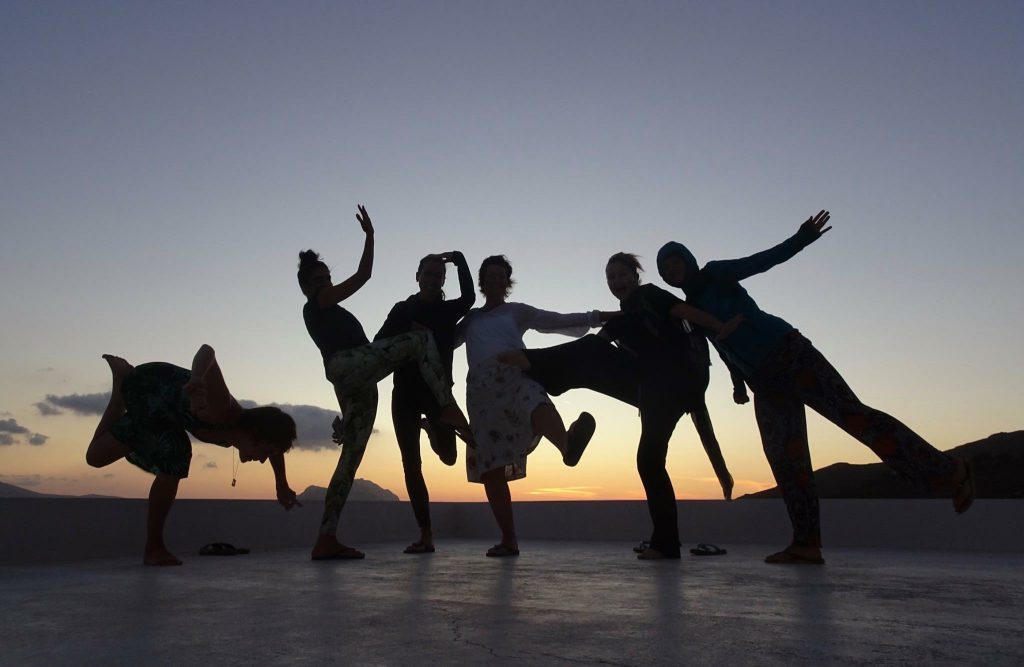
Summer is Also a Nervous System Season
One aspect that is often overlooked is that summer is highly stimulating. There are more invitations, later evenings, holidays, festivals, travel, family gatherings and social commitments. While these experiences can be deeply nourishing, they also require energy.
In Somatic Experiencing®, we often speak about the importance of completing cycles of activation with periods of settling. The nervous system is designed to move between engagement and restoration. Summer reminds us how easily we can stay in "doing" mode without creating enough space to return to ourselves.
Sometimes regulation looks less like another wellness practice and more like sitting quietly under a tree, watching the ocean, walking barefoot on the grass, or enjoying a meal without rushing. These simple moments allow the body to remember safety, spaciousness and ease.
Yoga Practice for the Summer Months
Our yoga practice can also evolve with the season. Rather than constantly seeking stronger or more demanding practices, summer can be an opportunity to cultivate steadiness without excess effort. Gentle Vinyasa, restorative postures, mindful mobility work and longer exhalations help maintain vitality while respecting the body's changing needs.
Practising in the early morning or later evening often feels more supportive than during the hottest part of the day.
Forward folds, supported twists, gentle backbends and restorative inversions can all help regulate the nervous system when approached with awareness rather than intensity. Breath awareness becomes particularly important, reminding us that practice is not measured by effort alone, but by the quality of attention we bring to each movement.
Supporting ourselves through summer rarely requires dramatic changes.Keeping fresh herbs in the kitchen, preparing seasonal meals, drinking enough fluids before feeling thirsty, finishing dinner a little earlier, opening the windows as temperatures cool in the evening, or spending a few quiet minutes outdoors at sunrise can all have a profound cumulative effect.
Dry brushing before a shower, a short self-massage with cooling oils such as coconut or sunflower oil, or resting with the legs supported after a busy day are simple practices that encourage circulation while inviting the nervous system to settle. These rituals are not luxuries. They are small acts of listening.

Living Seasonally
One of the reasons seasonal living has remained part of so many traditional cultures is because it reminds us that health is never static. We are continually adapting.
The qualities present in nature are reflected within us. During summer we naturally become more outward-facing, more social, more expressive and more active. There is nothing wrong with this—it is part of the season's intelligence. The practice is remembering that expansion also requires recovery.
Yoga has always invited us to observe before we react. Eastern philosophies remind us to work with the rhythms of nature rather than against them. Somatic practice teaches us to notice what the body is communicating before it begins to shout.
When these perspectives come together, we begin to understand health not as something we achieve, but as an ongoing conversation with ourselves, our environment, and the changing seasons.
Perhaps that is the real invitation of summer—not simply to do more, but to enjoy the abundance of the season while remaining deeply connected to the body that is experiencing it.


No Comments